 Crypto · NY Digital
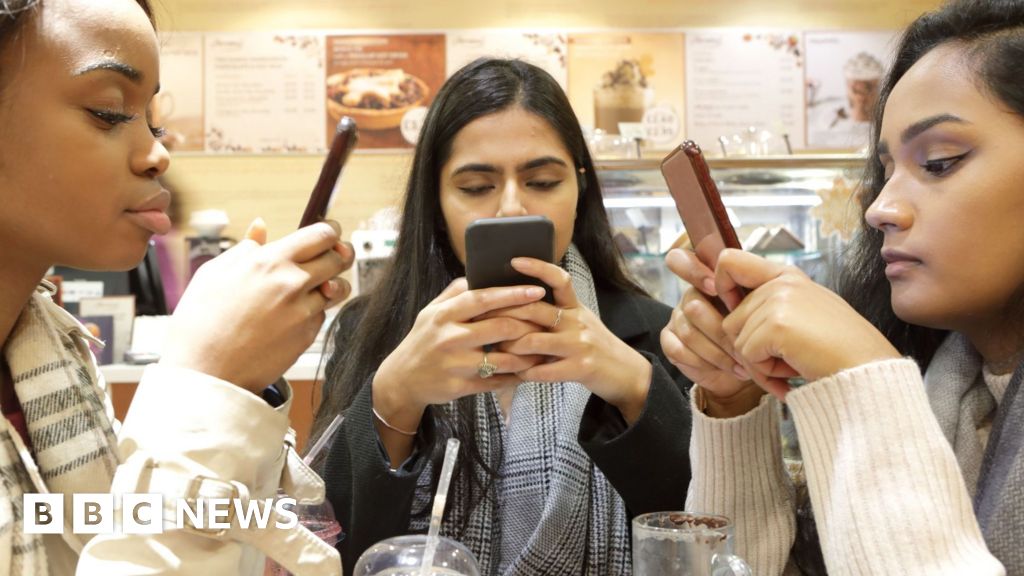
Third of young Brits have never had sex, but many are sexting and watching porn 2 hours ago Getty Images Michelle Roberts Digital health editor British people, particularly teens and young adults, are having less or no sex compared to past generations, but lots are watching porn and sexting, a major study reveals. It is the first time The National Survey of Sexual Attitudes and Lifestyles' ( Natsal ) research into general public sex lives has asked about online behaviours. Half of people aged 16 to 24 have sent or received sexual images on their phone in the last year, while one in two young women and almost nine in 10 young men say they have viewed pornography.
But a third of this age group have never had sex, up from a fifth in the last study 12 years ago. Adults under 45 are having less sex too, doing it twice a month, on average, down from once a week in 1990. Less sex, more porn?
BBC News More than one in three (37%) women said they had watched porn in the past year. For men, it was around four in every five (81%). Among the 16-24 year-olds, half of women and most young men (86%) said they watched it.
Porn use and masturbation were less common among people who had never had sex, which the authors say suggests solo and online activity is not simply replacing in-person sex, although they cannot be sure. They didn't ask about AI or virtual relationships with romantic chatbots, but say they probably should next time. Soazig Clifton, one of the Natsal team and from University College London, said: "When we did our fieldwork in 2022-24 that seemed a little bit sci-fi.
"In the future we might be looking at the impact of AI on people's sexual behaviour and on their relationships, thinking about things like AI companions." More open discussion of consent Co-researcher Prof Wendy Macdowall, from the London School of Hygiene & Tropical Medicine (LSHTM), says while it may be tempting to blame screen time for less sex, it's likely many other factors are involved, "especially for young people." Young people are drinking less alcohol than past generations and more live at home with their parents, for example. Rising rates of mental health conditions might also be involved, along with the Covid pandemic that stopped people going out. She says more open discussion of consent could also mean young people feel better able to decide whether and when to have sex.
But some are troubled by their sex lives. One in seven women (14%) reported ongoing upset with others about things done to them in their sexual past. The same proportion of men reported feeling shame about some of their sexual thoughts and desires.
Waiting for sex BBC News This fourth Natsal survey reveals trends, but cannot fully explain them. The previous one, in 2010, suggested having sex too soon was the biggest regret of young people losing their virginity. Now, it appears more are waiting longer.
Almost two in five young women (38%) and more than one in four young men (28%) now report never having had sex. That is up from around one in five in the earlier surveys of 1990, 2000 and 2010. And among all adults who are having sex, most are doing it less often.
The average used to be once a week. Now, it's fortnightly. The latest results, published in The Lancet and based on a survey of 6,700 people aged 16-59 selected at random across Britain, reveal: three-quarters of adults have had sex in the past year the average number of sexual partners in a lifetime is five women have sex once a month and men twice a month, on average reports of sex with a same-sex partner have increased among both men and women, but by how much is less clear BBC News Unprotected sex, but fewer want children Many Brits, young people in particular, are having unprotected sex that can lead to pregnancies and sexually transmitted infections (STIs), the figures suggest.
And use of the oral contraceptive pill has declined among young women. But more women now say they do not want children - a doubling in the past decade, from 8% to 17% among those aged 16–44. "Understanding what's driving this – whether economic insecurity, climate anxiety or changing life priorities – should now be a priority for future research and policy, as it has real implications for planning health, care and family services," says researcher Dr Laura Oakley from the LSHTM.
Source: BBC