 Crypto · NY Digital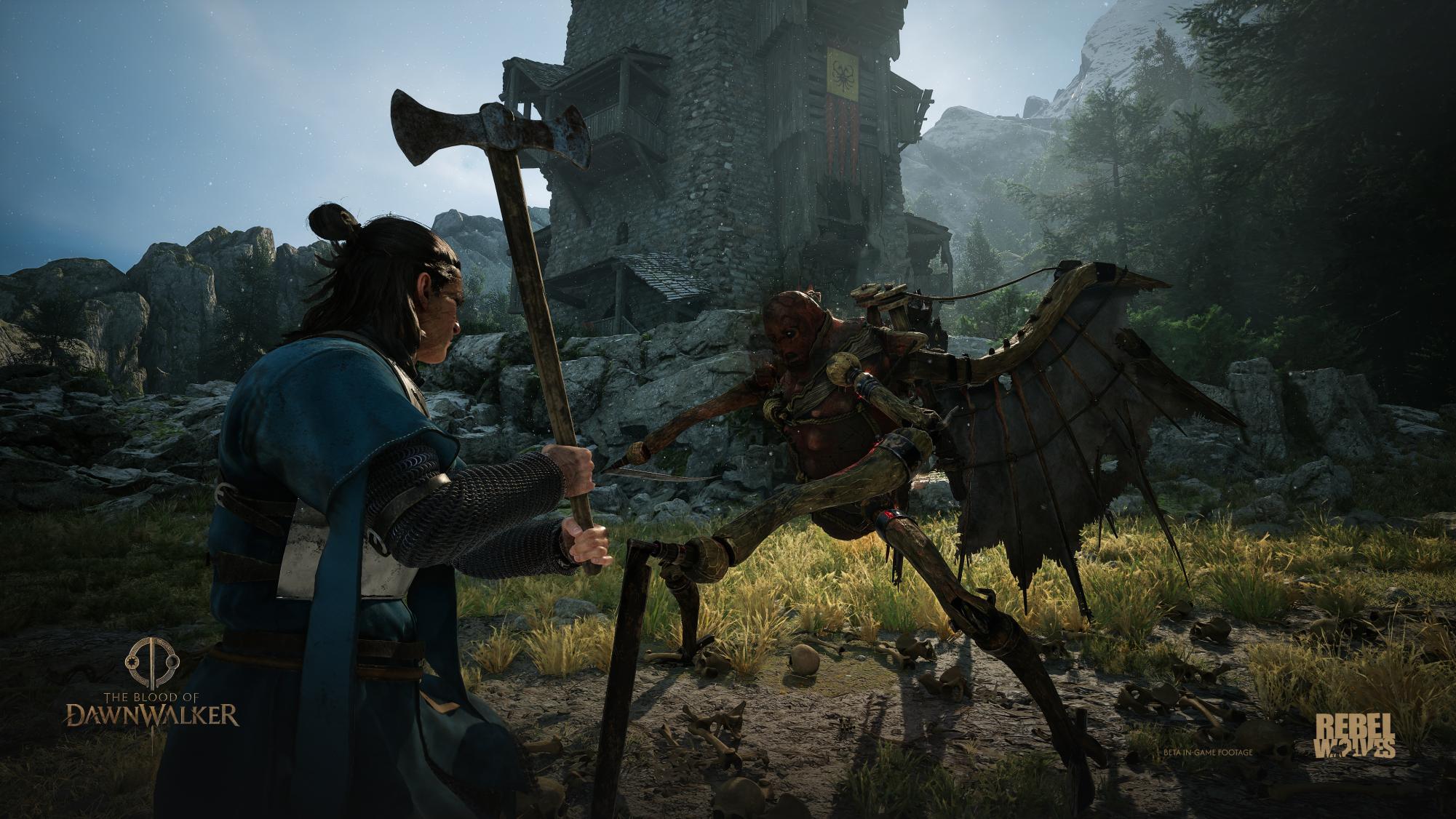
A screenshot from “ The Blood of Dawnwalker” (2026) shows protagonist Coen facing a winged enemy near a medieval fortress, highlighting the game’s dark fantasy setting and action-focused combat. The game combines directional sword combat with branching quests and consequential choices, challenging players to balance exploration and character progression against a 30-day deadline to save Coen’s family. PHOTO COURTESY OF REBEL WOLVES In the diverse landscape of video games, memorable vampire role-playing games are surprisingly rare.
One of the genre’s most influential titles, Vampire: The Masquerade – Bloodlines (2004), built its reputation through deep role-playing systems, political intrigue and a dark, personal take on life as a vampire. Its emphasis on allowing players to make their own choices made conversations and alliances feel consequential, with decisions capable of shaping the world around the player. Released on Sept. 3, “ The Blood of Dawnwalker ” (2026) attempts to capture some of that same appeal while building on ideas modern RPGs popularized, such as “ The Witcher 3 ” (2015) and “ Cyberpunk 2077 ” (2020).
The veteran developers of those games created “The Blood of Dawnwalker” and their influence shows proudly on the new release. Its open world is packed with more than 60 quests, each offering its own characters, storylines and dialogue choices. Players control Coen , a young man living with his family in 14th-century Europe in the fictional Carpathian valley of Vale Sangora.
The region fell under the control of a group of powerful vampires who originally gained influence by eradicating a plague that had devastated the local population. Their leader, Brencis , eventually kidnaps Coen’s family, giving the player 30 days to rescue them before they are sacrificed. The 30-day time limit is one of the most interesting aspects of the playthrough.
Quests, exploration and character progression all consume time, forcing the player to think carefully about which objectives are worth pursuing. Instead of completing every side quest simply because they appear on the map, the player has to weigh between strengthening Coen or bringing him closer to saving his family. That pressure gives even small decisions a sense of importance that many open-world RPGs struggle to create.
The game also features multiple endings that change depending on dialogue choices, completed quests and other decisions made throughout the story. This makes the player return for another playthrough to see how different choices could reshape the story and lead to different outcomes, such as abandoning the rescue of Coen’s family, ignoring the 30-day timer and confronting Brencis later in the game, or aligning with the rebels to storm the capital city of Svartrau and regain control of the valley. Another interesting aspect of the game is the directional combat during sword fights.
Instead of simply spamming the same attack button repeatedly, the system forced me to pay attention to the direction of my attacks and made me feel much more engaged in each fight. The combat clearly takes inspiration from the directional system of the “ Kingdom Come: Deliverance ” (2018-2025) series. However, “The Blood of Dawnwalker” handles this style of combat substantially better, combining it with a smooth and fluid third-person perspective rather than the clunkier first-person combat of “Kingdom Come: Deliverance.” Many games rely on basic combat systems that have begun to feel interchangeable, so I was glad to see “The Blood of Dawnwalker” attempt something more distinctive.
Despite its polished combat, however, the lack of enemy variety is a noticeable weakness. By the time I was about 40% through the story, I felt like I had already encountered nearly every enemy type the game had to offer. It is not a major flaw because of the sheer number of quests, memorable characters and strong writing, but I was still disappointed by how little the enemy roster changed as the game progressed.
Overall, “The Blood of Dawnwalker” succeeds on many fronts. For players who enjoy story-driven RPGs, difficult decisions and darker fantasy settings, it’s a refreshing addition to a vampire genre that has been missing a major game like this for a long time. Final Rating: 7/10
Source: Stony Brook Statesman